Retaining wall blocks transcend their utilitarian origins, becoming the masters of the outdoor canvas. They’ve evolved into flexible components that seamlessly blend function and aesthetics into an essential design element in modern landscapes. This article explores the many advantages of retaining walls and sheds light on the ways they can change the look of outdoor areas.
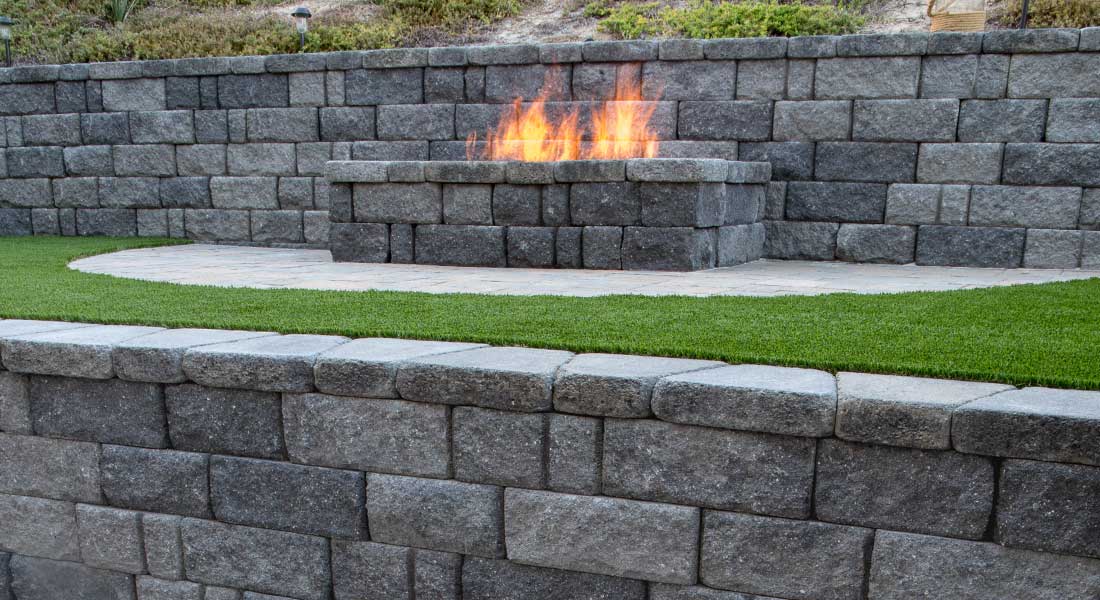
The retaining wall blocks redefine traditional elements of hardscape. It is available in a myriad of sizes, colors and shapes. It allows homeowners to express their own unique aesthetic ideas. The blocks come in various materials, such as the natural beauty of stone, as well as the strong embrace concrete. Landscape architects and designers make use of blocks to create stunning and unified outdoor spaces that show their uniqueness in the surroundings.
Under the Surface Allure: Guardians of Stability
Retaining wall blocks provide many benefits that go far beyond their aesthetics. As stewards of the landscape they protect them from erosion. These blocks provide stability on slopes and uneven terrains. They are able to transform uneven landscapes into level, serene spaces for outdoor living or a flourishing garden.
Retaining wall blocks are a cost-effective and smart choice for homeowners who wish to enhance their landscaping. They’re a great value because of their easy installation and low maintenance. Blocks like these make visually stunning retaining walls. But they can also withstand the elements, and provide long-lasting stability, without losing their appearance. For more information, click Concrete Retaining Wall Blocks
Versatile Sculptors: Defining Outdoor Living Areas
Retaining walls are no longer functional blocks for walls. They have evolved into sculptures that create outdoor living spaces. By integrating them strategically, property owners can curate distinct zones for diverse activities eating al fresco, lounging or gardening. These blocks can be used as an element of design for privacy and highlights landscape features, such as sculpture gardens or water-based installations.
The ability to stack precast concrete landscaping blocks is among their greatest advantages. Geo-grid reinforcement is essential to reinforce the soil beneath them. They can hold up to three levels of height. For greater durability and stability when walls become taller the need for larger sizes is evident. With precision-designed interlocking systems blocks, they provide solid foundations to landscaping plans. Geo-grid reinforcements provide robustness and toughness to walls that are used for retaining, and allow them to withstand soil’s pressure.
Selecting the Right Block for the Right Ambiance
The choice of retaining wall blocks involves a thoughtful curation process by weighing factors such as the size, shape and color. in harmony with the outside environment. When choosing walls for retaining, practical aspects like soil retention capacity and the height of the block are considered. This intelligent selection does not only ensure only structural stability but also aesthetic harmony, adding visual harmony to the overall design.
Final: A Symphony of Resilience
In short, the design of retaining walls is a transformative element in landscape design. It is a key element in establishing the sustainability of landscaping practices. Due to their limitless design possibilities, their ability to protect and stabilize, and also their ability to define living spaces These blocks are redesigned into silent sendinels that redefine outdoor areas. They weave a tale of harmony, timelessness and beauty throughout the landscape. They are used for their aesthetic design or their practicality and durability, retaining wall block makers create the sound of nature’s great outdoors.