For a healthy pond ecosystem it is necessary to maintain adequate oxygen levels in the water, as well as circulation and balance in the life of the water. Without proper aeration, ponds could quickly become a source of problems, such as algae growth, foul odors, and stress for fish. Installing a Windmill Pond Aerator is one of the most effective and most environmentally friendly ways to maintain your water’s quality. These systems harness natural wind energy to deliver oxygen to the water. This helps the ponds stay clean well-balanced, healthy, and balanced.
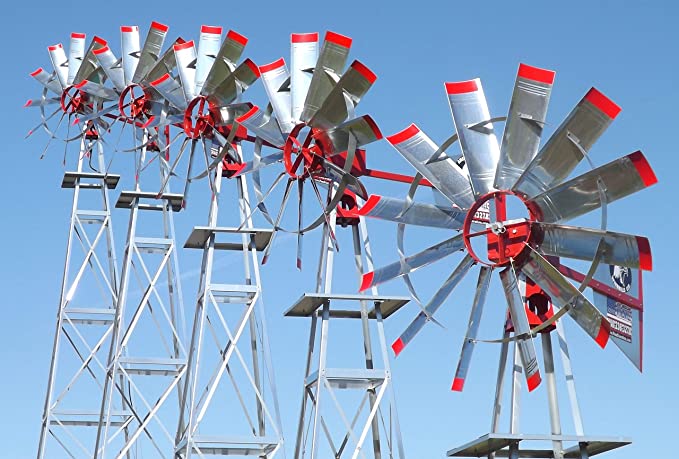
Pond Aeration Windmills are becoming increasingly popular with pond owners, property managers, and farmers who want to come up with a solution that is sustainable without having to rely on electricity. Wind power is used to power these aerators, that provide continuous oxygenation and cut down on energy expenses.
Why Aeration Is Important For Ponds
Aeration of water is the procedure that improves the quantity of oxygen that is present in the water. It is essential to ensure that the levels of oxygen within the water are maintained since aquatic organisms such as fish as well as beneficial bacteria depend on it to sustain their lives. The ponds without oxygen could stagnate, create harmful gases, or produce overly algae.
If oxygen levels drop and ponds begin to form layers, where the lower water is depleted of air making it unhealthy for aquatic life. Aeration assists in the circulation of the column and reroute oxygen to areas that are deeper and prevent stratification. This encourages a more healthy ecosystem and cleaner water.
What is a Windmill Aerator?
A Windmill Aerator operates using the power of wind rather than electricity. As the wind turns the blades, the mechanical energy of the windmill is transferred to an air compressor. This pumping action sends air through a hose and into a diffuser, which is located on the bottom of the. The diffuser produces bubbles that ascend through the water and circulate the pond.
This process raises the oxygen level and improves the flow of water. As the bubbles rise, they mix the water layers which prevent static zones, as well as dispersing oxygen evenly across the pond.
Modern windmill aeration systems are built to be efficient even under low-wind conditions. Advanced models feature robust components and specialized diffusers stones that evenly distribute air across the pond to enhance the airflow.
Windmill Aeration Systems Benefits
1. Energy-Efficient Operation
Windmill Aeration uses only renewable wind energy, and this is one of the main advantages. It eliminates the requirement for electrical wiring or ongoing power costs, which makes it a viable option to manage ponds over the long term.
2. Environmentally Friendly
They are not a significant environmental impact due to the fact that they are powered by wind. They’re a good choice to landowners searching for sustainable solutions to water management.
3. Improved Water Quality
Proper aeration can prevent stagnation and assists beneficial bacteria to break down organic matter. The pond will not be susceptible to unpleasant odors and algae blooms when oxygen levels increase.
4. Healthier Aquatic Life
To live fish and other aquatic species need oxygen. The Windmill Pond Aerator ensures an ongoing supply of oxygen which creates a healthier and more comfortable environment for fish populations as well as aquatic plants.
5. Easy Maintenance and Long Lasting
Most Pond Aeration Windmills have durable materials that are able to withstand the elements outside. Once installed, these windmills require little or no maintenance. This means they’re a long-term option for pond owners.
Windmill Pond Aerators Excellent Uses
Aeration systems powered by wind are typically employed in a variety of scenarios, including:
Water sources for livestock and ponds for farms
Fishing ponds for recreation
Farms and ranches
Wildlife habitats and conservation areas
Private Residential Ponds
They are especially beneficial in areas that are remote and the availability of electricity is not as great. The Windmill Aerator is easily installed in a variety of environments since it can be situated far from the pond.
The Right Windmill Aeration Systems
Pond owners need to consider the following factors when choosing a wind-powered aeration unit.
Pond Size: Bigger bodies of water could require more powerful compressors or more diffusers.
Depth: The diffusers need to be placed at the correct deepness to allow the most oxygen to be distributed.
Wind Exposure: Putting windmills on an open field allows it to absorb a larger amount of wind energy.
Durability: Select systems constructed from materials of the highest quality made for outdoor use.
By choosing the appropriate Windmill Pond Aerator, you are able to ensure that it will function effectively and offer sufficient aeration that meets the requirements of your pond.
The Future of Pond Aeration
Wind-powered aeration has become increasingly popular as people seek environmentally sustainable methods of managing their natural resources. Windmill Aeration Systems integrate renewable energy with established aeration technologies to provide an environmentally friendly solution for the management of ponds.
Whether you own a small backyard pond or have a huge rural property Installing a Windmill Aerator will dramatically improve the quality of water and ecosystem health. Pond Aeration Windmills offer long-term benefit and have low cost. They’re an excellent investment for anyone looking to enjoy clean water, healthier fish, and an aesthetically pleasing pond.