Edge computing was viewed as complex and expensive over a long time. It was usually reserved for large corporations with specialized hardware. However, this perception is changing. Companies all over the UK are discovering that flexible, cost-effective solutions can yield powerful results without unnecessary complexity.
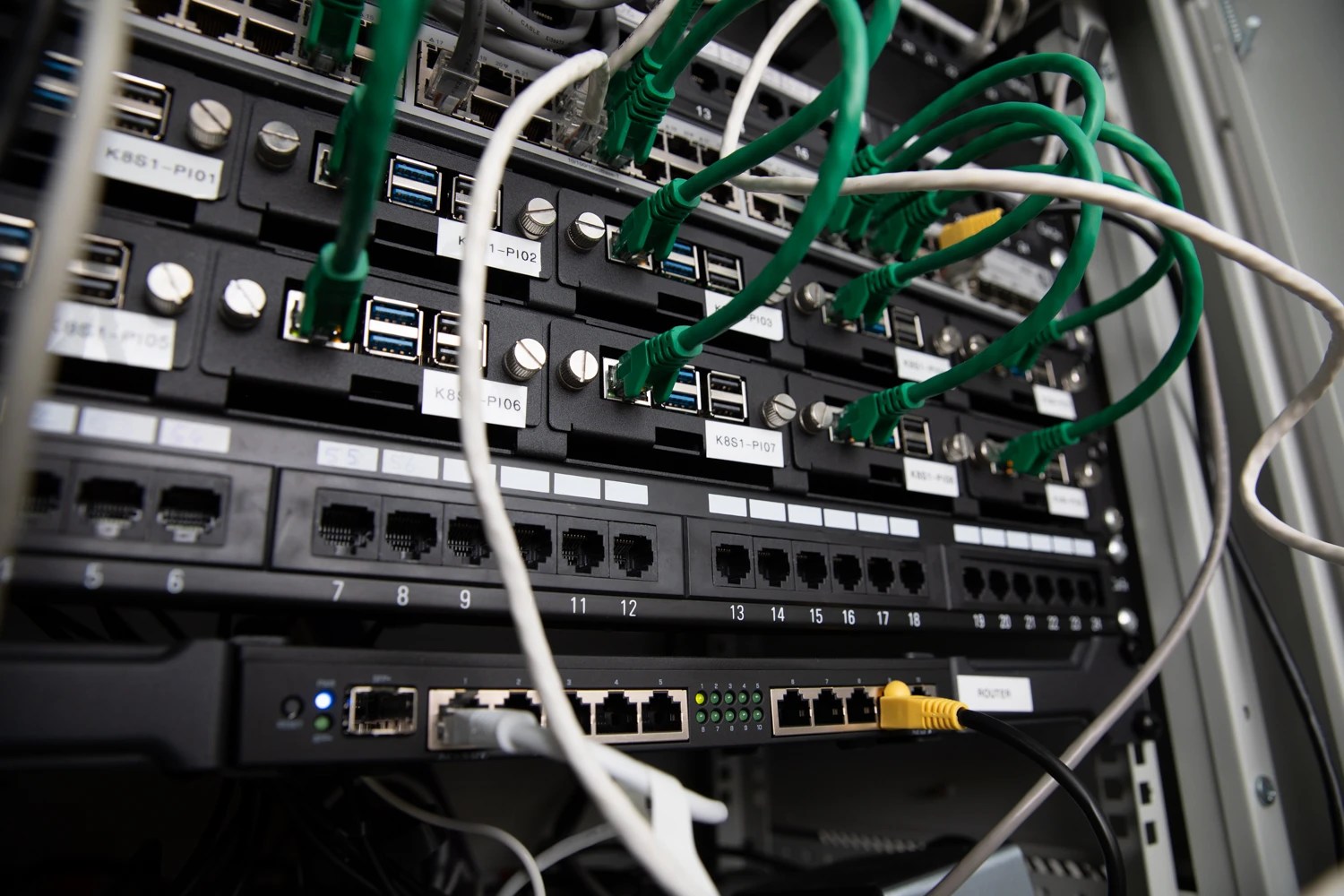
In the middle of this change is the emergence of platforms that blend ease of use with scalability. An edge computing solution UK companies can rely on now looks very different from traditional setups. Instead of relying on central data centers, companies are shifting processing closer to the places where data originates.
This upgrade improves the speed of decision making as well as reduces latency, allowing for real-time decisions.
Small Devices and Enterprise Systems
The Raspberry Pi has come a long way from its early reputation as a learning tool. The device that was once thought of as a hobbyist device is now being utilized to power infrastructure in real-world settings in fields like manufacturing logistical, logistics and smart environments.
Businesses can turn a single device like ScalerPi into a more coordinated, larger system, by utilizing platforms like ScalerPi. The Raspberry Pi cluster model for production allows several units to be used in conjunction to create a distributed system that is able to manage complex tasks.
This method lets you scale from a simple prototyping to thousands of devices all working together.
Kubernetes at the Edge
Modern infrastructure is built on orchestration tools as well as containerized applications. Kubernetes has become a standard for managing these environments however, running it at the edge introduces new challenges.
Kubernetes on-premise solutions allow you to retain control, while benefitting in the flexibility of container orchestration. Instead of completely relying on cloud services, businesses can set up and manage their own systems locally.
It allows for the creation of a balance between performance and control. Companies can further tailor their infrastructure to meet the specific requirements of their operations. ScalerPi helps bridge the gap by combining the hardware experience of ScalerPi and the latest software methods. This makes more advanced deployments more affordable.
Why Data Sovereignty is gaining importance
In the age of increasingly complex regulations for data, businesses are more attentive to the data storage location that is stored and managed. In many cases using cloud providers that are not internal service providers raises concerns regarding compliance and control.
The UK can use a cloud that is sovereign to maintain high performance while ensuring data stays within nation’s borders. This approach ensures that sensitive data is safe and in compliance with local regulations.
Integrating edge computing into sovereign infrastructure can help companies achieve the flexibility and transparency they require. Data is processed close to where it came from yet it is managed within an controlled environment.
Making deployments simpler
One of the most difficult issues in edge computing is managing large number of devices. As the number of devices deployed increases it becomes more difficult to ensure consistency, security and performance.
ScalerPi provides a full range of services, including hardware supply and management along with consultancy. The integrated model streamlines the process, allowing teams to concentrate on their applications, rather than infrastructure.
A solution for edge computing that UK businesses can trust should not require continuous manual intervention. Instead, it should include the tools needed to automatize processes, track performance and ensure the reliability of all devices.
Building Systems You’re able to Scale With Confidence
Growing from a single prototype to a complete production system requires careful planning. Every stage presents new challenges, ranging from selecting the hardware to software integration and ongoing maintenance.
A Raspberry Pi cluster production use strategy facilitates this transition through the creation of an established structure for growth. Businesses can expand at their own rate by installing devices or making adjustments without disturbing the existing system.
This flexibility is crucial when companies are experimenting with innovative technologies or entering new markets.
A Future Driven by Flexibility and Control
In the near future, infrastructure will be open, flexible and efficient. Businesses don’t want restricted by rigid solutions that restrict innovation.
With tools like an on-premise kubernetes solution and a sovereign cloud service UK, organizations gain greater control over their data and operations. In conjunction with the scalability of Raspberry Pi clusters, these solutions create a foundation that supports the long-term expansion.
Edge Innovation: A New Way to Move Forward
Edge computing has emerged as an option to solve many of today’s challenges. Combining inexpensive hardware with modern software lets companies build robust systems.
ScalerPi continues to help businesses overcome the barriers between their physical devices and cloud technology. With a thoughtful design and solid deployment, it makes edge computing accessible to enterprises of all sizes.
As more companies investigate the possibilities of distributed systems, their ability to scale safely and effectively will define success in the years ahead.