Welcome to the Budgerigar Council of South Australia’s guide to pet budgies, often referred to as budgerigars, or parakeets. Pet owners from all over the world appreciate these small, playful budgies. Ranking just behind the ever-popular pet dogs and cats and budgies, budgies have earned themselves a reputation as loving and smart, as well as very talkative.
First, you must understand the requirements and personality of this adorable bird. This guide will arm you with all the information that you require to ensure a happy and healthy life for you and your feathered friend.
Social butterfly in a tiny body
Budgies thrive when they are with their companions. In nature, they live in large, crowded groups, chirping each other and interacting. While a single budgie can bond strongly with the human who owns it, especially if given plenty of attention, they ideally should be accompanied by a feathered pet. If you are unable to handle two birds, spend time with the single bird to avoid lonely.
Chatterboxes that have a Flair for mimicry
The ability of a pet budgie’s ears to mimic sounds is one of the most appealing characteristics. Budgies are able to learn phrases and words with perseverance and practice. This is a great level of enjoyment to the whistles, chirps and squeaks that they create. The vocabulary of budgies could be very different. Certain budgies can become chatterboxes while others will just whistle. Their energetic vocalizations will put a smile on your face regardless of how skilled they are in their communication.
Rainbow on Wings
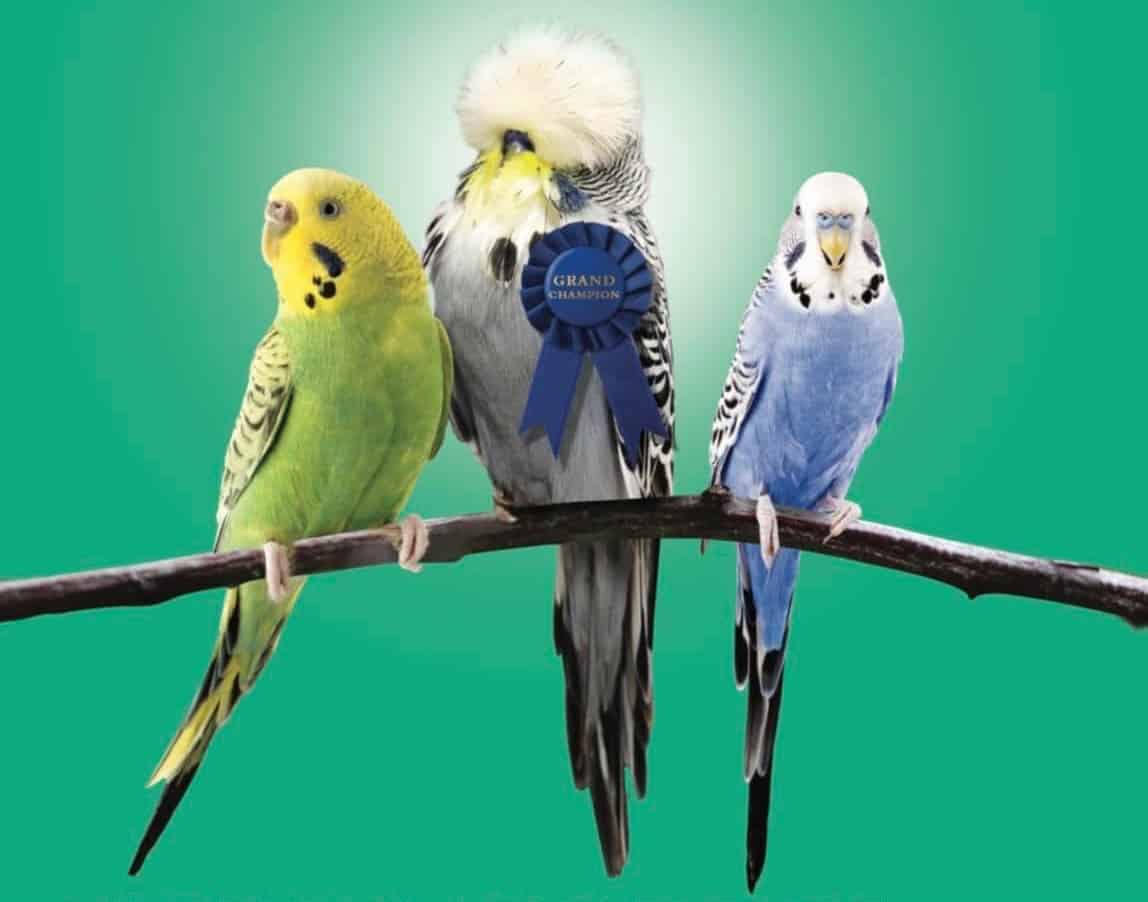
Budgie birds are available with a range of shades. From the classic combination of light blue and yellow to bright shades of green violet and white. Breeders have created countless mutations that you are sure to find one that suits your preferences. Color variation can be a sign of gender and age in birds, so they are excellent conversation starters.
A large area in a small area
While budgies can be small, they need plenty of room to roam, fly, and climb. The minimum cage size should be at a minimum 20 inches in length 12 inches in depth and 18 inches in height. However, bigger is always better! To keep your pet interested offer perches that are different heights or textures. Make sure to rotate their toys in order to keep them entertained. It is recommended to let the cage be exposed to sunshine, but never place it in direct sunlight for long periods.
A Budgie-approved diet
A healthy budgie bird diet consists primarily of a high-quality pelleted food formulated for small parrots. They will get the nutrition they require to develop. Add to their pellet diet fresh fruits and veggies like chopped carrots, leafy greens, and apples (be certain to take out the seeds). Cuttlebones keep their beaks trim and provide vital minerals. You should ensure that they have the freshest, clean water.
Establishing a connection with your Feathered Friendship
Taming a budgie takes patience and a gentle touch. Begin by moving slowly towards the cage while talking gently to your bird. Sprinkle treats such as millet spray in the bars of the cage to establish confidence. Once your budgie feels comfortable with you, they are able to try entering the cage and let them rest on your fingers. Be persistent, but not aggressive. The process can be weeks or even days.
A Lifetime commitment
If they are properly taken care of Budgies can live for 10 to 12 yrs. Make sure you consider your lifestyle, and if you’re willing to commit for the long-term. Are you able to provide them with regular interaction and a tidy and stimulating environment? If you are able to you, a budgie is an addition to your life with fun laughter and chirps.
The Budgerigar Council of South Australia encourages responsible pet ownership. If you have any questions or concerns about caring for your bird, don’t hesitate to consult an expert avian veterinarian advice.